Last night, I was happily simmering away on a pot of beef stew – rich broth, tender beef, veggies softening into the goodness – and I did what you should never do with a fabulous propane stove that heats up fast: I walked away. Just for a moment. (Famous last words, right?) BOOM. Burned the bottom a little.
We ALL do it.
The stew wasn’t ruined (thank goodness!) but I had to be careful not to scrape the bottom when I dished it out. That char layer can take your whole pot from comfort food to campfire smoke in a hurry. So let’s talk about how to avoid that dreaded burnt-bottom situation in the first place.
Why Dishes Burn on the Bottom
- High Heat: A powerful stove (like my propane one) can heat faster than you think.
- Dense Ingredients: Stews, chilis, sauces, anything thick loves to stick.
- Walking Away: The number one culprit. Even five minutes can be too long.
Tips to Keep Your Stew (and Your Sanity) Intact
1. Use Low and Slow Heat
Your stew doesn’t need to be bubbling furiously. A gentle simmer is the sweet spot. If your pot is blurping like a volcano, it’s too hot.
2. Stir Regularly
Every 10–15 minutes, give your dish a good stir – especially making sure to scrape across the bottom. Wooden spoons are your best friend here.
3. Choose the Right Pot
Heavy-bottomed pots (like cast iron enamel Dutch ovens) distribute heat evenly. Thin pots? They’ll scorch before you can blink.
4. Liquid is Your Friend
If your stew looks more like sludge than soup, add a little extra broth or water. Thick, pasty sauces cling to the bottom.
5. Use a Heat Diffuser
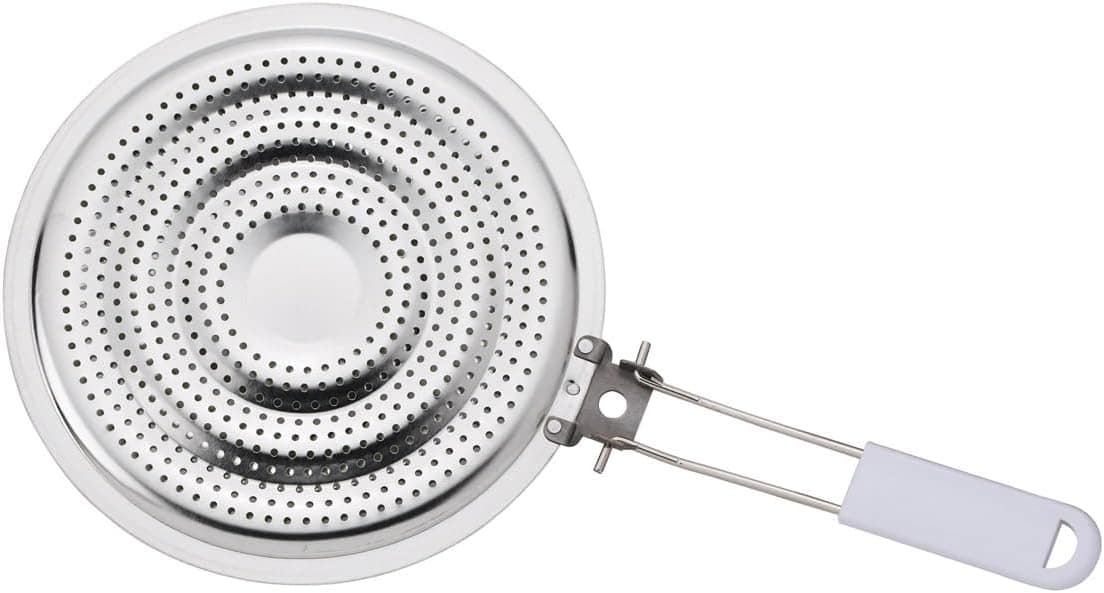
If your stove runs hot, a simple metal diffuser (sits between your burner and pot) can save the day. It spreads the flame so you don’t get hot spots.
If You Do Burn the Bottom (Been There, Done That)
- Don’t Scrape! Leave the char behind. Stir from above it.
- Transfer Carefully: Move the stew to another pot without disturbing the burnt layer.
- Flavor Rescue: Add a splash of wine, broth, or even a pinch of sugar if things taste a little smoky.
Cooking isn’t about perfection – it’s about learning tricks as you go. Sure, my beef stew got a little too cozy with the bottom of the pot last night, but now I’ve got this reminder: low and slow wins the race, and maybe don’t wander off mid-simmer.
And hey, at least the house smelled like a rustic wood fire for a bit. (We’ll call it ambiance?)