There’s nothing sadder than bringing home a bag of gorgeous vegetables from the market – only to discover them limp, mushy, or sprouting weird little science experiments a few days later. (I see you, slimy cucumbers hiding in the crisper drawer.) Truth is, not all vegetables want the same thing when it comes to storage. Some are happiest basking in a bowl on the counter, while others live their best life chilling in the fridge.
Let’s talk about where your veggies belong so you can keep them fresh longer – and save yourself from throwing money (and good food!) in the compost bin. I know that ALL OF US have made these mistakes so let’s stop this madness right NOW! 😉
Veggies That Love the Counter
These guys don’t appreciate the cold shoulder. Keep them out on the counter, ideally in a cool, dry spot with some air circulation:
- Tomatoes – The fridge turns them mealy. Countertop sunshine keeps them juicy and flavorful.
- Potatoes, sweet potatoes, and yams – Cold temps turn their starch into sugar, messing with flavor and texture. A dark pantry or basket is perfect.
- Onions and garlic – Keep them in a breathable bag or bowl. Bonus tip: don’t store onions right next to potatoes – they make each other spoil faster.
- Winter squash (butternut, acorn, spaghetti, etc.) – They’ve got tough skins that hold up fine at room temp.
- Whole pumpkins – Counter-friendly until cut open.
Veggies That Belong in the Fridge
These are the delicate types- crisp, leafy, and prone to wilting if left out too long:
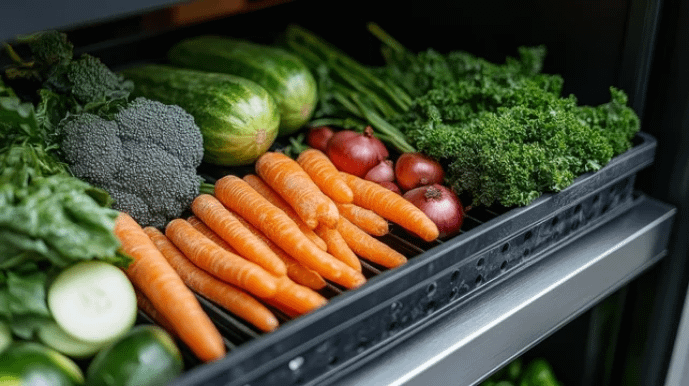
- Leafy greens (lettuce, kale, chard, spinach) – Store in a produce bag or container lined with a paper towel to absorb moisture.
- Broccoli and cauliflower – They dry out quickly; the fridge keeps them fresh.
- Carrots, celery, and radishes – Crunch central. Store in a bag or submerged in a little water to keep them snappy.
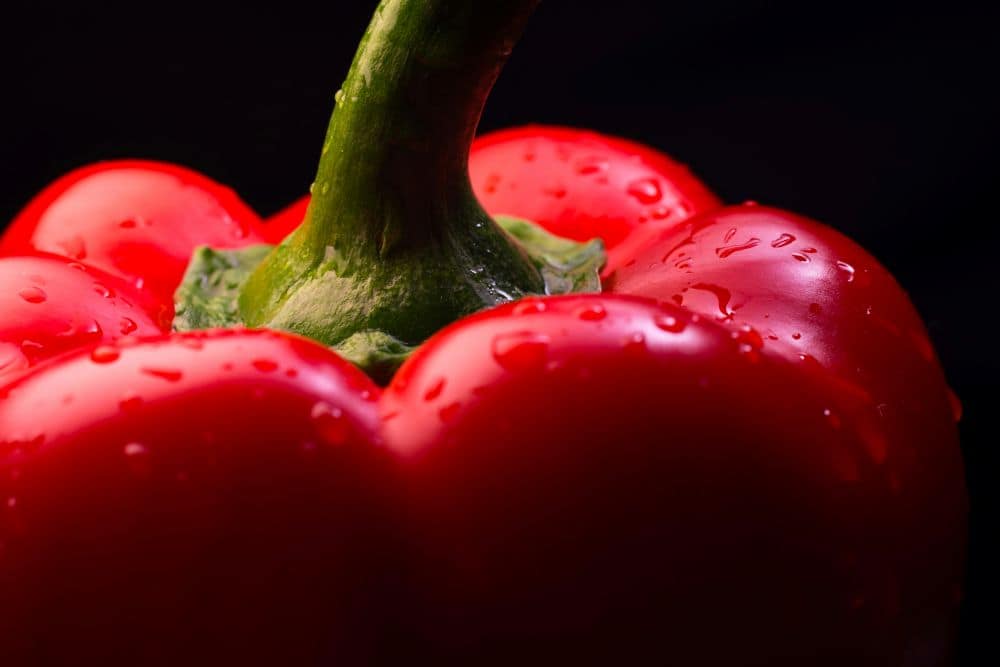
- Bell peppers, cucumbers, and zucchini – These last longer chilled.
- Green beans and snap peas – Refrigerate in a breathable bag.
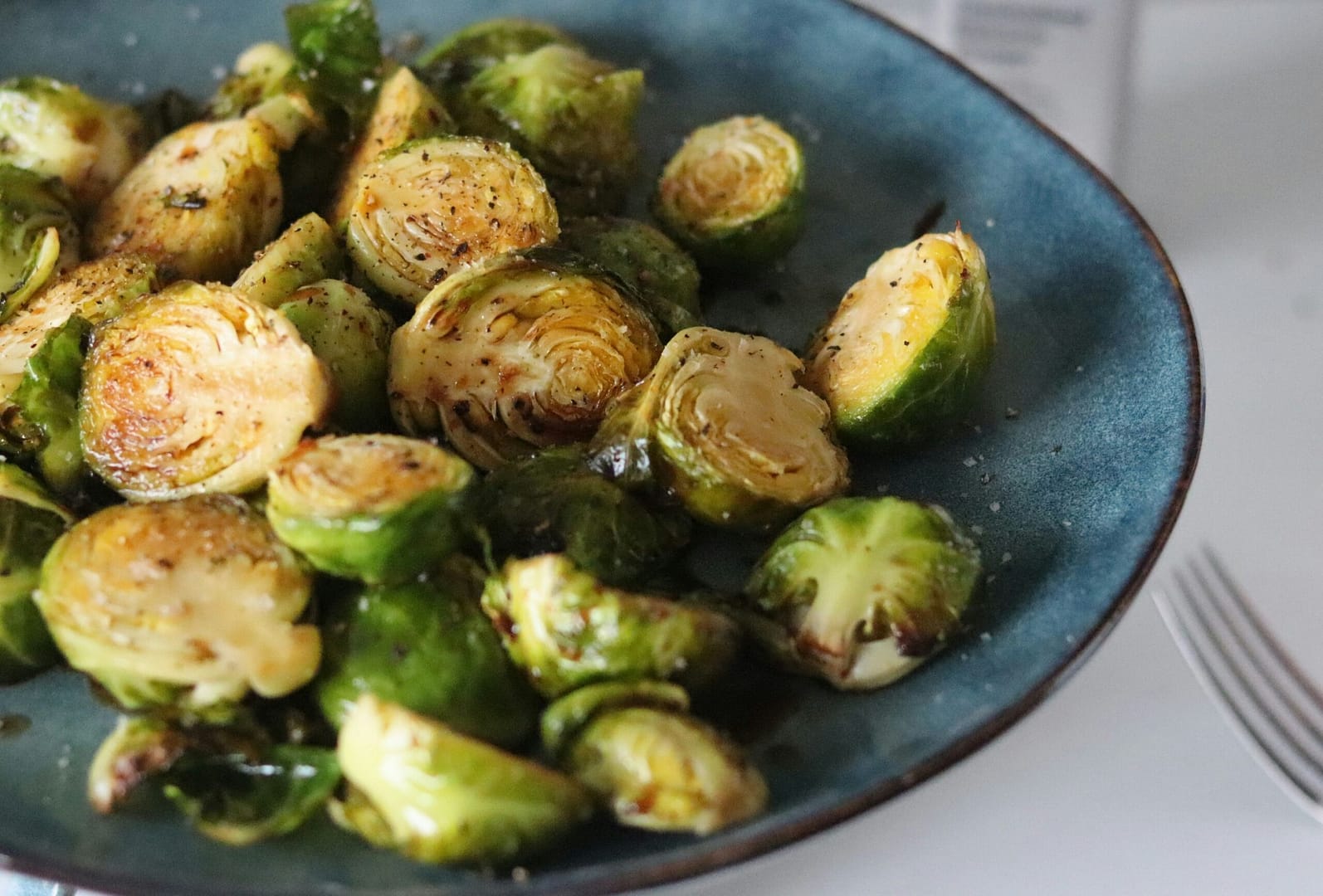
- Brussel sprouts – Best stored unwashed in a plastic bag in the crisper drawer.
Veggies That Play Both Sides
Some vegetables are a little more flexible:
- Avocados – Leave them on the counter to ripen, then move them to the fridge once they’re soft.
- Corn on the cob – Fresh from the farm? Eat ASAP for best flavor, but if you’re waiting a day or two, the fridge helps slow down sugar loss.
- Beets and turnips – Greens off? Store the roots in the fridge. Still leafy? Trim the tops (save them for sautéing!) and refrigerate separately.
Tips for Longer Vegetable Life
- Wash veggies right before you use them – not before storing. Excess moisture is the enemy.
- Invest in a few breathable produce bags or containers that keep airflow balanced.
- Check your crisper drawer every few days – nobody likes discovering a mystery bag of goo at the bottom.
Final Thoughts
Storing vegetables properly is one of those small kitchen habits that makes a big difference. When you give your tomatoes a sunny spot on the counter and tuck your lettuce into the fridge like a cozy blanket, you’ll stretch out freshness, reduce waste, and – best of all – always have good food ready when you are.
Fresh veggies are too precious to waste, so treat them right and they’ll return the favor on your dinner table.