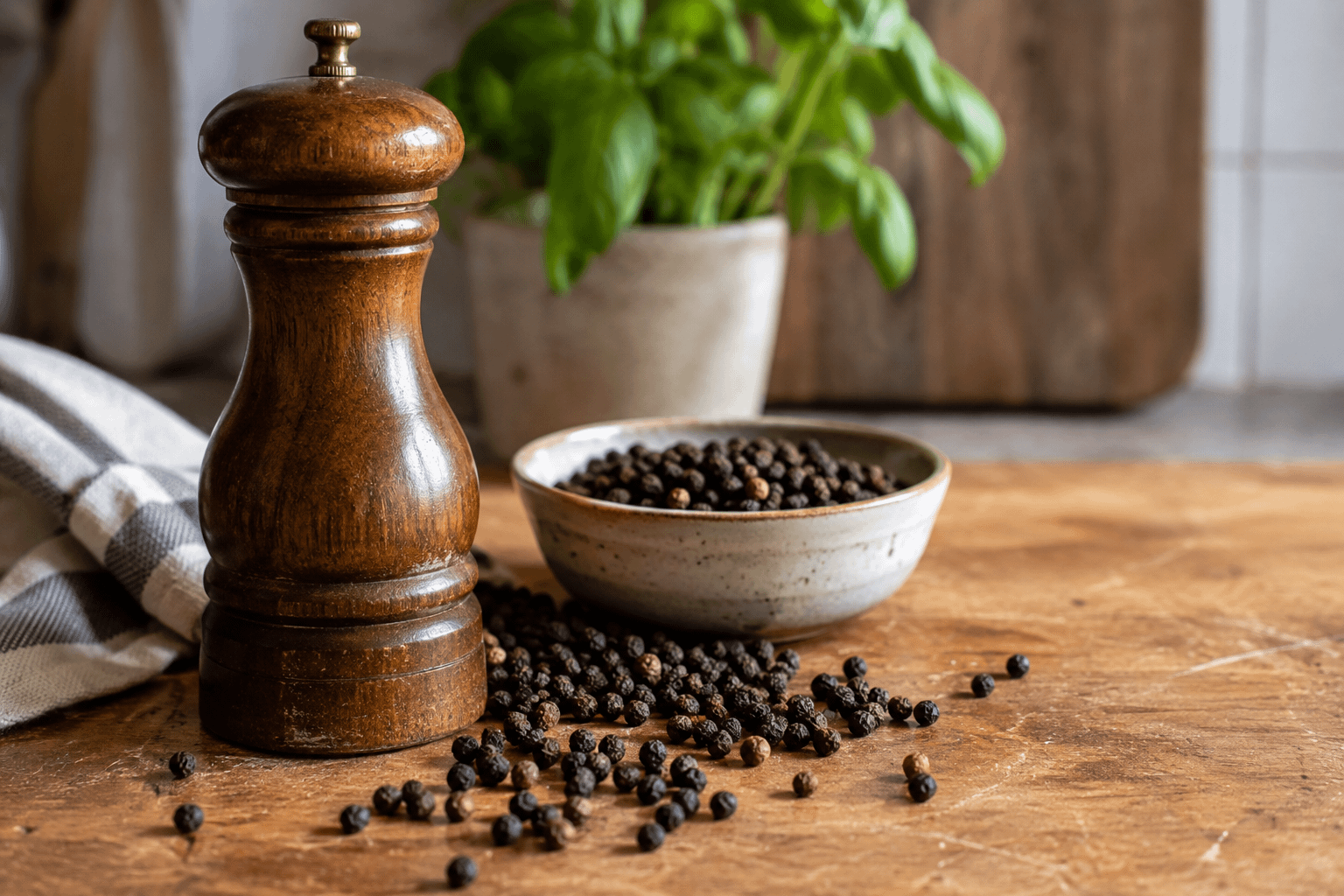
There are a few ingredients that live permanently next to my stove. Salt is obviously one of them. Olive oil is never far away.
And then there is black pepper.
It goes into almost everything.
Eggs? Black pepper.
Soup? Black pepper.
Steak? Definitely black pepper.
Roasted vegetables, potatoes, pasta, sauces, gravies, chicken, pork, seafood – you get the idea.
Black pepper is such an everyday ingredient that we barely think about it anymore. Most recipes simply say, “salt and pepper to taste,” and we dutifully give the pepper grinder a few turns and move along.
But black pepper deserves a little more attention than that.
Because when it is used properly, black pepper isn’t just something you add because the recipe tells you to. It adds heat, aroma, depth and even a subtle complexity that can completely change the way a dish tastes.
And yes – freshly ground really does make a difference.
So, What Exactly Is Black Pepper?
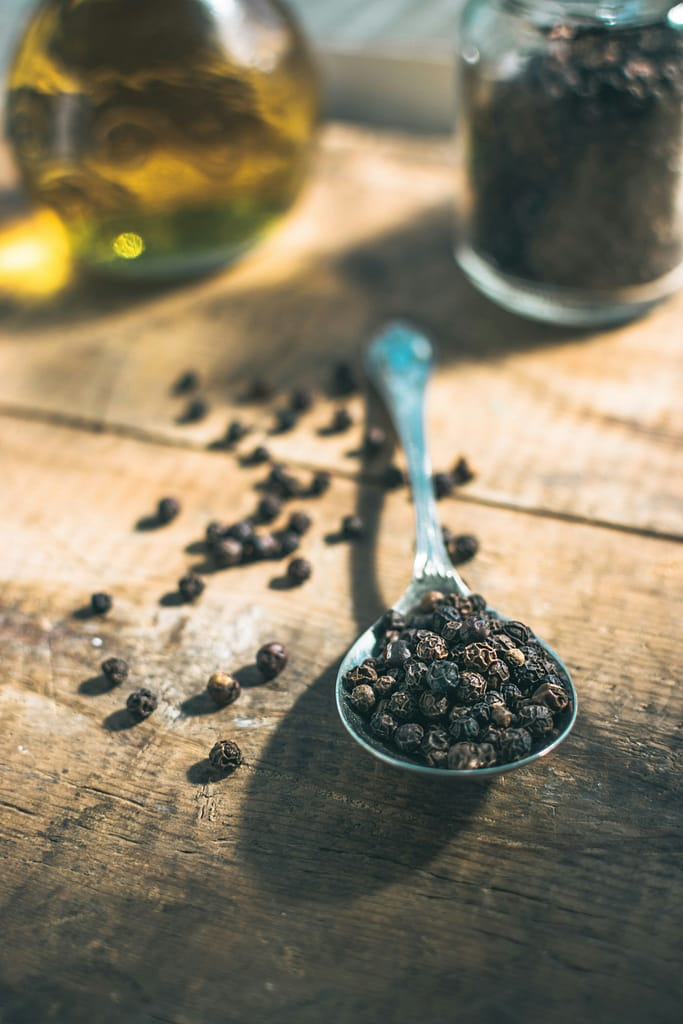
Black pepper comes from the berries of the Piper nigrum plant, a flowering vine native to southern India.
Those little hard peppercorns sitting inside your grinder actually began as berries. They are harvested while still green and then dried, causing the outside to darken and wrinkle into the black peppercorns we recognize.
And here’s something interesting: black, white and green peppercorns can all come from the same plant.
The difference is largely in when the berries are harvested and how they’re processed.
Black peppercorns are picked before they’re fully ripe and dried. Green peppercorns are also harvested while unripe but preserved differently so they retain their green color and fresher flavor. White pepper is made from ripe berries with the outer layer removed.
Same plant. Very different personalities.
Why Black Pepper Makes Food Taste Better
Black pepper doesn’t make food salty, and it isn’t exactly spicy in the same way a jalapeño or cayenne pepper is spicy.
Its characteristic bite comes primarily from a compound called piperine.
But there’s more happening than heat.
Black pepper contains aromatic compounds that give freshly cracked pepper its wonderful woody, citrusy, floral and slightly earthy aroma.
That’s one reason pepper works so beautifully with so many different foods. It doesn’t simply make something hotter. It adds another layer of flavor.
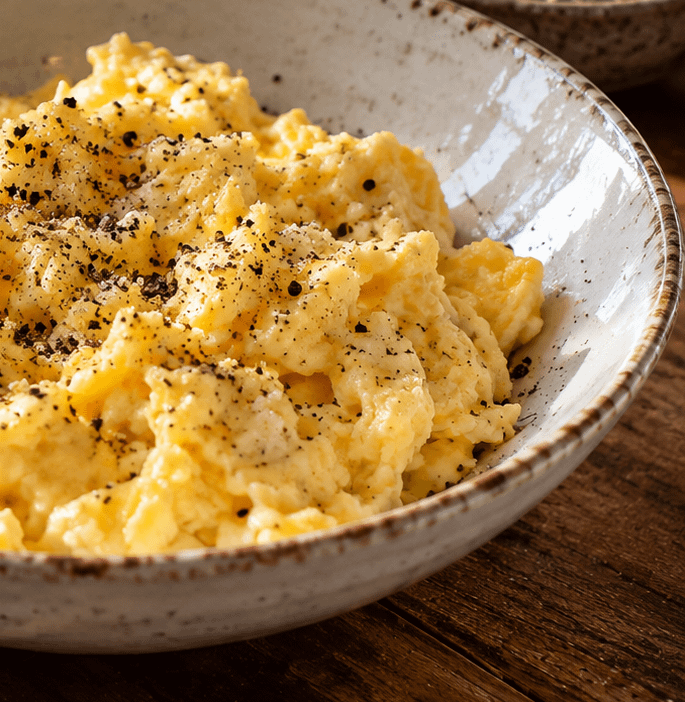
Think about something as simple as scrambled eggs.
Eggs with a little salt are good.
Now crack some fresh black pepper over them.
Suddenly there’s warmth and contrast against the richness of the eggs. You notice the flavor more.
That’s what good seasoning does.
STOP RIGHT THERE –
Before You Reach for That Can of Ground Pepper
You know the one.
That little container of finely ground black pepper that may have been sitting in the cabinet since approximately 2007.
😂
Technically, yes, it’s black pepper.
But if you’ve never compared pre-ground pepper with freshly cracked peppercorns, do yourself a favor and try it.
Once peppercorns are ground, the aromatic compounds responsible for much of their flavor begin to dissipate. The longer ground pepper sits around, the less vibrant it becomes.
That’s why freshly ground black pepper smells so much stronger the second you turn the grinder.
You are releasing those aromatic compounds right when you’re about to eat them.
You don’t need a fancy pepper mill, either. A basic adjustable grinder filled with whole peppercorns can make a noticeable difference in everyday cooking.
How I Keep Salt and Pepper Handy in My Kitchen
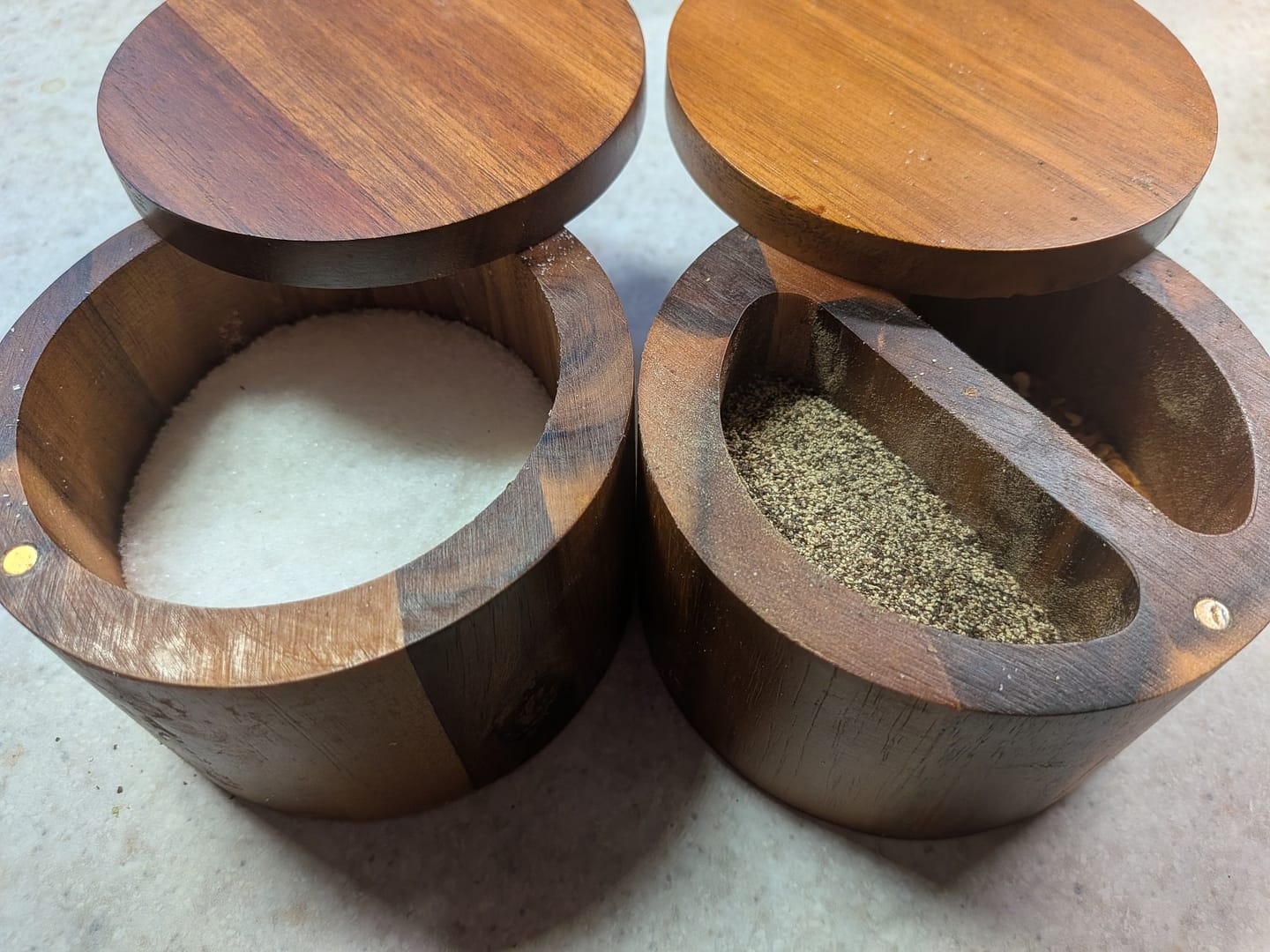
In my kitchen, I use a little bit of everything! I have my trusty salt and pepper shakers, a pepper grinder, and salt and pepper cellars. They all have their place. The shakers are handy at the table, the grinder is perfect when I want that wonderful freshly cracked pepper, and the cellars are especially useful when I’m cooking. I love being able to reach in for a pinch of salt or pepper rather than constantly picking up a shaker. It’s quick, convenient, and gives me a little more control over how I’m seasoning a dish. And honestly, isn’t that what cooking is all about? Finding the little things that make life in the kitchen easier!
Not All Black Pepper Tastes the Same
This is where black pepper gets really interesting.
Just like coffee beans, wine grapes and olive oil, pepper can taste different depending on where it’s grown and how it’s processed.
Tellicherry peppercorns, for example, are known for their larger size and complex aroma. You’ll often notice fruity or citrusy notes along with that familiar peppery heat.
Other black peppercorns can taste more earthy, sharp, floral or woody.
Do you need specialty peppercorns to make a good pot roast on Tuesday night?
Of course not.
But if you love experimenting with ingredients, buying a good-quality bag of whole peppercorns is an inexpensive way to play around with flavor.

The Size of the Grind Matters
This is something we don’t talk about enough.
Finely ground pepper and coarsely cracked pepper don’t behave exactly the same way in a dish.
Fine pepper distributes throughout food more evenly. I like it when I want the pepper to disappear into a sauce, soup, dressing or other mixture.
Coarsely ground pepper gives you little bursts of peppery flavor.
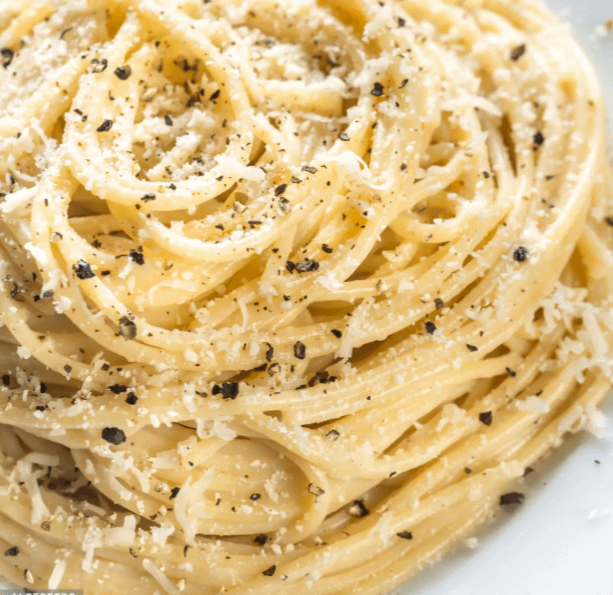
Think about a pepper-crusted steak. You don’t want invisible pepper there. You want those cracked peppercorns clinging to the meat and becoming part of the crust.
The same goes for dishes like cacio e pepe, where pepper isn’t merely a background seasoning. It’s one of the stars of the entire dish.
When Should You Add Black Pepper?
Here’s where cooking gets fun because there isn’t one answer.
Adding pepper during cooking allows its flavor to become incorporated into the dish.
Adding freshly ground pepper at the end preserves more of its aroma.
And sometimes I do both.
If I’m making a soup or sauce, for example, I may season it with pepper while it’s cooking and then add another small grind right before serving.
That final sprinkle gives you that wonderful pepper aroma before you’ve even taken the first bite.
Black Pepper Loves Fat
Have you ever noticed how wonderful pepper tastes on buttery mashed potatoes, a juicy steak, creamy pasta or eggs?
That’s not an accident.
Pepper’s aromatic compounds work beautifully with fatty foods, which help carry flavor across your palate.
That’s also why pepper is so good in creamy sauces and cheese dishes.
One of the simplest examples is freshly cracked pepper over good olive oil with bread.
There isn’t much going on ingredient-wise, but the combination works.
Black Pepper Isn’t Just for Savory Food
Now we’re getting adventurous.
Black pepper can be wonderful with fruit and desserts.
WHAT?
Strawberries with a tiny amount of freshly cracked black pepper are surprisingly delicious. Pepper also pairs beautifully with chocolate, citrus, honey and certain warm spices.
You don’t necessarily taste it and think, Whoa, somebody put pepper in my dessert.
Instead, it can make the other flavors seem a little more interesting.
And that’s really black pepper’s superpower.
Salt and Pepper Are Partners – But They Don’t Do the Same Job
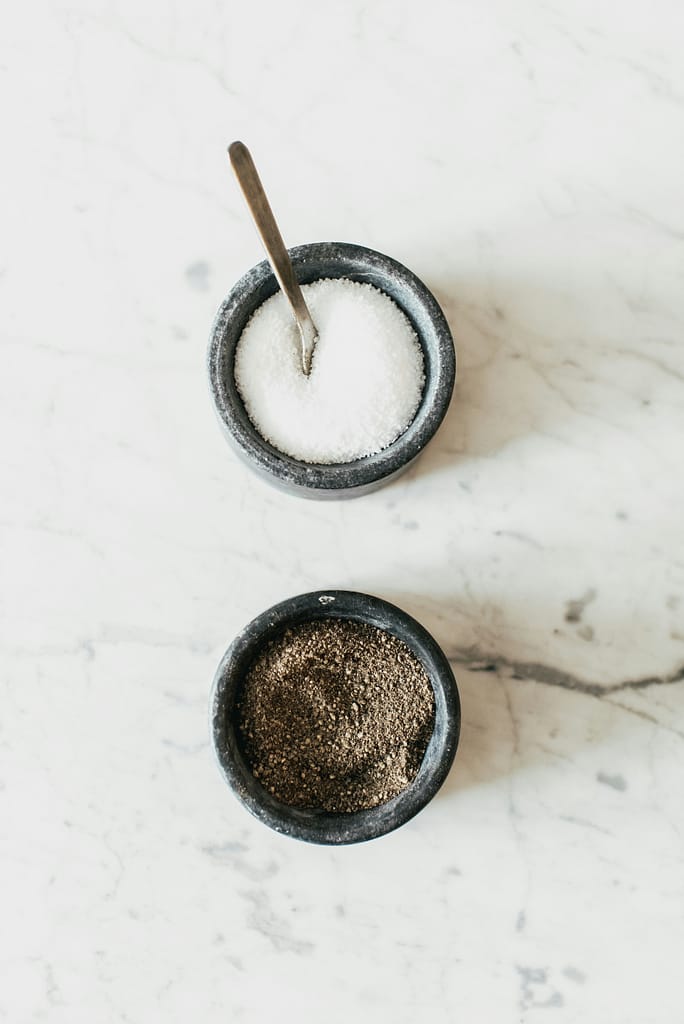
We constantly hear the phrase “salt and pepper,” as though they’re one ingredient.
They’re not.
Salt primarily enhances and balances the flavors already present in food.
Black pepper adds its own flavor.
That means you shouldn’t automatically assume every dish needs the exact same amount of both.
Sometimes a dish needs more salt but no additional pepper. Sometimes you want a serious pepper kick without adding another grain of salt.
Taste your food.
Then decide what it actually needs.
That little habit will make you a better cook than blindly following ½ teaspoon salt and ¼ teaspoon pepper every single time.
A Few Foods That Really Love Black Pepper
Obviously, you can put black pepper on almost anything savory, but there are certain foods where it really gets a chance to shine.
Try plenty of freshly cracked pepper on:
- Steak and burgers
- Eggs
- Roasted potatoes
- Creamy pasta
- Macaroni and cheese
- Soups and stews
- Roasted vegetables
- Chicken and pork
- Tomato dishes
- Salad dressings
- Gravies and pan sauces
- Corn on the cob
- Fresh sliced tomatoes
- Parmesan cheese
- Strawberries
- Chocolate desserts
And one of my favorites: a simple tomato sandwich or sliced garden tomatoes with salt, freshly cracked black pepper and just a little olive oil.
Sometimes the simplest food is the best food.

One Little Ingredient, A Lot of Flavor
Black pepper has become so ordinary in our kitchens that it’s easy to forget what an incredible spice it actually is.
People traded it across continents. It was once an extraordinarily valuable commodity. And centuries later, there it sits on our kitchen counters, waiting for us to give the grinder a few turns.
So don’t treat black pepper as an afterthought.
Use whole peppercorns when you can. Grind them fresh. Experiment with coarse and fine grinds. Add pepper during cooking and try another little grind at the end. Bloom it in butter or olive oil. And most importantly, taste your food before automatically reaching for the shaker.
Sometimes a few turns of the pepper grinder are all a dish needs to go from something’s missing to there it is.
And that is an awful lot of power for one tiny little peppercorn.